Most Clinton Township drivers think about vehicle maintenance in practical terms — oil changes, brake service, tire rotations. Few consider that many of those same maintenance decisions connect directly to federal environmental law. The EPA’s Clean Air Act establishes vehicle emissions standards that affect how cars are manufactured, how they must be maintained, and what happens when emissions systems fail or are tampered with.
For Macomb County residents, understanding how Clean Air Act vehicle compliance rules apply to everyday auto repair decisions helps you make informed choices and avoid the costly consequences of non-compliant vehicles.
How the Clean Air Act Governs Vehicle Emissions
The Clean Air Act — first enacted in 1963 and significantly strengthened through amendments in 1970 and 1990 — is the federal law that authorizes the EPA to regulate air pollutants from both stationary and mobile sources. Vehicle emissions fall under the mobile source provisions of the Act, which establish tailpipe emission standards for hydrocarbons, carbon monoxide, nitrogen oxides, and particulate matter that every new vehicle sold in the United States must meet.
Those standards don’t disappear once a vehicle leaves the dealership. The Clean Air Act’s anti-tampering provisions make it illegal to remove, disable, or render inoperative any emissions control device or system that was installed on a vehicle as required by EPA regulations.
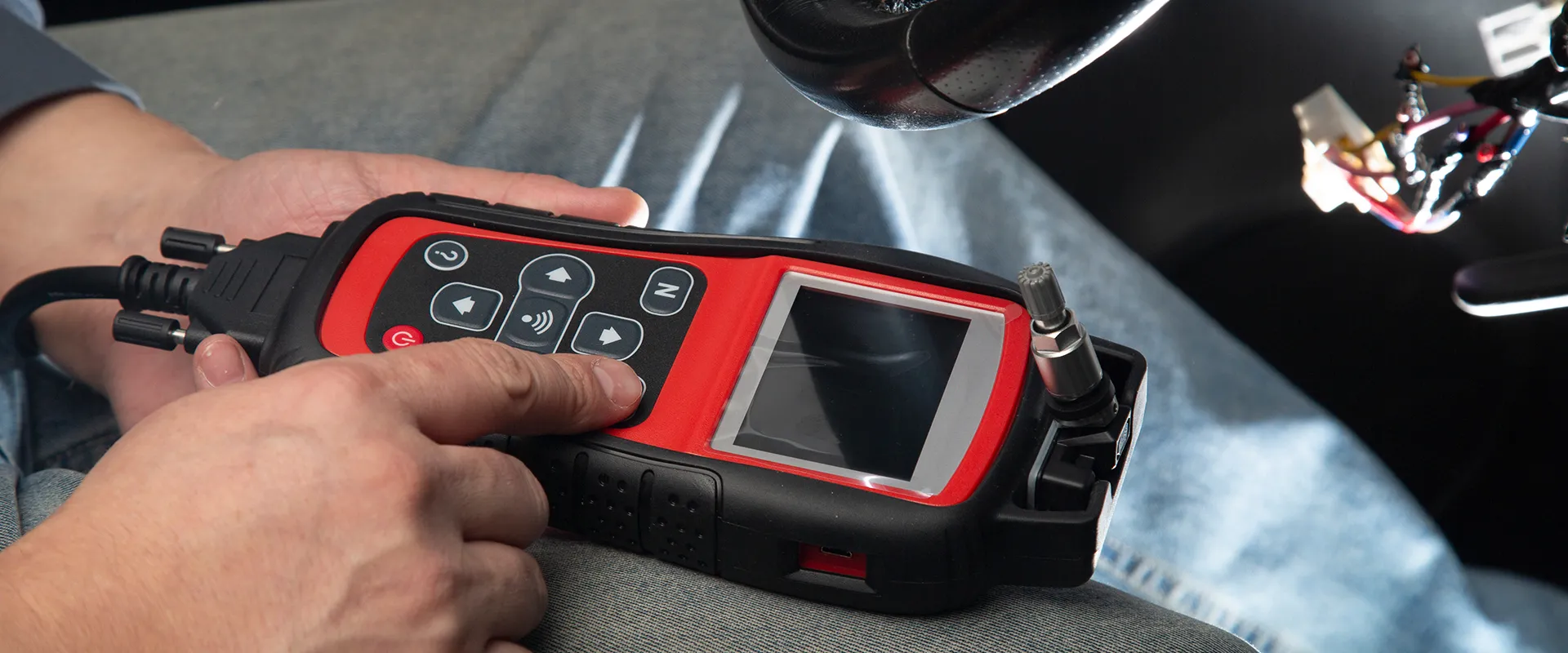
That prohibition covers catalytic converters, oxygen sensors, EGR (exhaust gas recirculation) valves, EVAP (evaporative emissions control) systems, and the OBD II (On-Board Diagnostics) systems that monitor emissions component performance in real time. The EPA’s vehicle emissions resources enforce these standards nationally, and violations carry civil penalties that apply to both the person who performed the tampering and — in some circumstances — the vehicle owner.
What Clean Air Act Compliance Means for Clinton Township Drivers
Michigan doesn’t currently require periodic emissions testing for most passenger vehicles — a distinction from states like California and Illinois that run mandatory inspection programs. That absence of a state inspection requirement doesn’t mean Clinton Township and Macomb County drivers are exempt from Clean Air Act obligations.
It means those obligations are enforced differently — primarily through federal anti-tampering rules, OBD II monitoring, and the emissions-related recalls and warranty provisions that manufacturers must honor under the Act. For practical purposes, Clean Air Act compliance affects Clinton Township drivers most directly in three situations: when an emissions-related component fails and triggers a check engine light, when a vehicle is taken out of state for emissions testing in a state that requires it, and when emissions system components are replaced during repair.
The Michigan Department of Environment, Great Lakes, and Energy oversees air quality management in the state and coordinates with the EPA on mobile source emissions enforcement — providing the state-level context for how federal Clean Air Act standards are applied across Macomb County.
The Anti-Tampering Rules and What They Mean for Repairs
The Clean Air Act’s anti-tampering provisions are the section most directly relevant to auto repair decisions in Clinton Township. Section 203 of the Act prohibits anyone — including repair shops, aftermarket parts installers, and vehicle owners — from removing or rendering inoperative any part of a vehicle’s emissions control system. That prohibition extends to popular aftermarket modifications including catalytic converter removal, EGR delete kits, and EVAP system bypasses.
For Clinton Township and Macomb County drivers who use their vehicles on public roads, these modifications aren’t just technically illegal — they expose vehicle owners to enforcement risk and can create significant financial consequences. A vehicle with a deleted emissions system fails OBD II diagnostic checks, produces active diagnostic trouble codes, and will fail emissions inspection in any state that requires testing.
The National Highway Traffic Safety Administration tracks vehicle compliance data that reflects how emissions system modifications affect vehicle safety and regulatory status — a practical consideration for Macomb County drivers who travel across state lines regularly.
Catalytic Converter Compliance and Replacement Standards
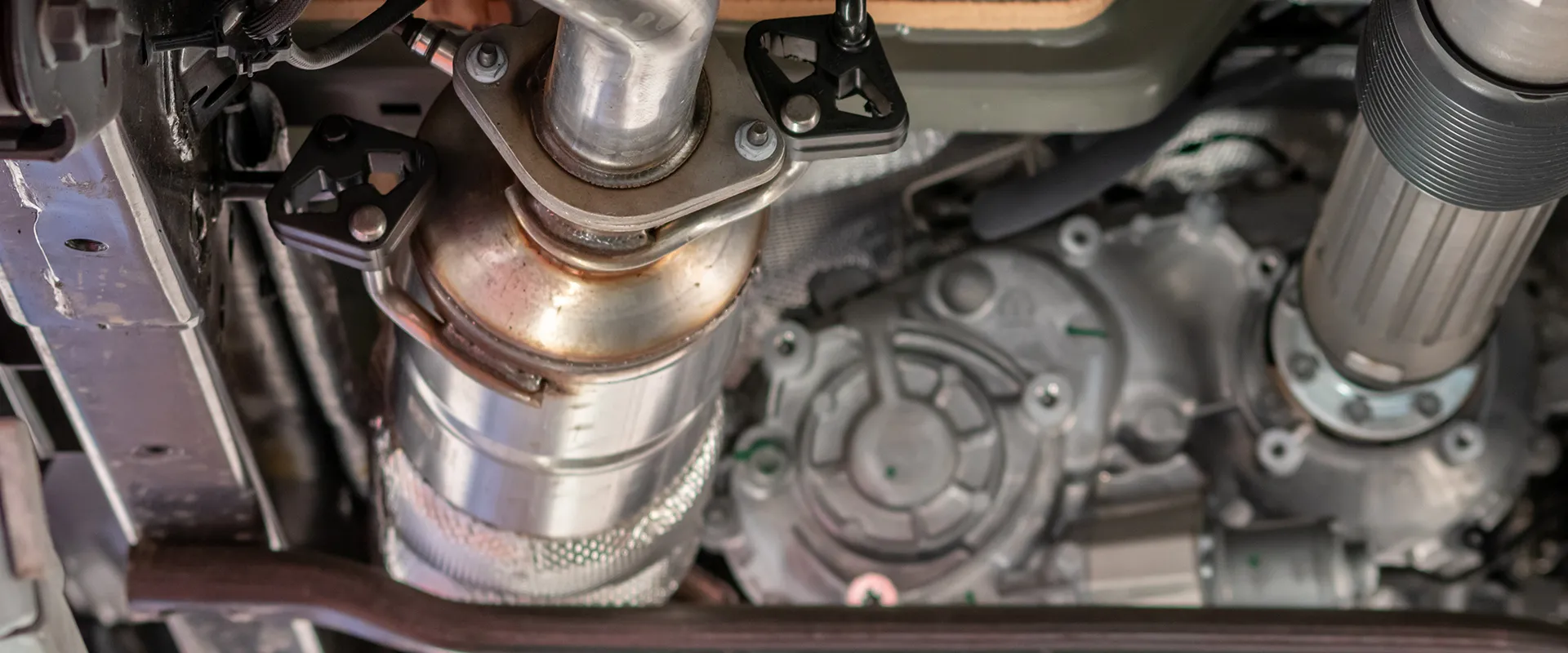
Catalytic converters — the exhaust aftertreatment devices that convert harmful combustion byproducts into less harmful compounds before they exit the tailpipe — sit at the center of most emissions-related auto repair decisions. Under the Clean Air Act, replacement catalytic converters must meet EPA performance standards that ensure the replacement part delivers equivalent emissions control to the original equipment. Installing a non-compliant catalytic converter on a federally regulated vehicle is an anti-tampering violation regardless of whether the old converter was functional.
For Clinton Township drivers facing catalytic converter replacement — a common repair given the ongoing theft epidemic affecting Macomb County vehicles — understanding that replacement parts must carry EPA certification protects both legal compliance and repair quality. A reputable repair shop installs compliant converters and documents the replacement in a way that preserves the vehicle’s emissions compliance status.
Shops that offer suspiciously inexpensive converter replacements using uncertified parts are creating emissions compliance problems that the vehicle owner ultimately bears. The FTC’s consumer protection resources note that auto repair fraud — including misrepresentation of parts quality and compliance status — remains a significant consumer issue nationally.

What Clinton Township Drivers Should Confirm Before Any Emissions-Related Repair
Understanding Clean Air Act vehicle compliance rules gives Macomb County drivers a practical checklist for evaluating any repair that touches emissions systems. Before authorizing emissions-related work at any Clinton Township or Metro Detroit shop, confirm the following:
- Does the replacement catalytic converter carry EPA certification for your specific vehicle application?
- Is the shop familiar with Michigan’s OBD II monitoring requirements and how replacement parts affect diagnostic readiness monitors?
- Will the shop provide documentation of the parts installed, including EPA certification numbers where applicable?
- Does the technician performing emissions-related work have ASE certification in engine performance or emissions systems?
- Has the shop clearly explained why an emissions component needs replacement — and ruled out upstream issues that could cause a replacement part to fail prematurely?
A shop that answers these questions specifically is one operating within the Clean Air Act’s compliance framework rather than cutting corners on parts or documentation.
Clinton Township Auto Repair That Keeps You Compliant
Understanding EPA Clean Air Act vehicle compliance rules gives Clinton Township and Macomb County drivers a clear framework for making repair decisions that protect both their vehicles and their legal standing. Compliance isn’t a technicality — it’s a practical consideration that affects repair costs, vehicle performance, and resale value across the life of every vehicle on the road.
Kozak’s Collision & Auto Repair has served Macomb County drivers since 2001 with honest service, quality workmanship, and the kind of transparent communication that emissions compliance requires. From auto repair and diagnostics and alternator repair and replacement to ADAS calibration and full collision repair, every job is handled by experienced technicians who know what Clean Air Act compliance means for your specific vehicle.
Serving Clinton Township, Warren, Sterling Heights, Macomb Township, Troy, and Detroit, Kozak’s is the Macomb County shop that does the job right the first time. Visit us today and schedule your service with a team that has earned the community’s trust for over two decades.