
Choosing an auto repair shop often comes down to trust. A vehicle owner in Clinton Township, MI hands over a car worth thousands of dollars and expects an honest diagnosis, a fair price, and repairs that actually fix the problem. The Automotive Service Association (ASA), a national trade group representing independent repair shops, built its reputation on a written Code of Ethics that spells out exactly what that trust should look like in practice. Kozak’s Collision & Auto Repair operates within that same landscape, and understanding what the standard actually requires helps local drivers know what a professional repair experience should feel like.
What Is the ASA Code of Ethics?
The ASA Code of Ethics is a formal set of commitments that member repair shops agree to follow when serving customers. It covers areas like honest recommendations, fair pricing, accurate estimates, and respectful communication throughout the repair process. Shops that adopt these standards commit to explaining problems in plain language rather than relying on jargon to justify unnecessary work. This matters because most drivers are not trained mechanics, and we believe a trustworthy shop bridges that knowledge gap instead of exploiting it.
The code also reinforces the value of ASE certification, a credential issued by the National Institute for Automotive Service Excellence that verifies a technician has passed rigorous testing in a specific repair specialty. A certified technician has proven competency in areas like engine repair, electrical systems, or brakes before ever touching a customer’s vehicle. Pairing ethical business practices with verified technical skill separates a professional repair facility from one that simply hopes for the best, which is why ASE certification is worth asking about before handing over the keys.
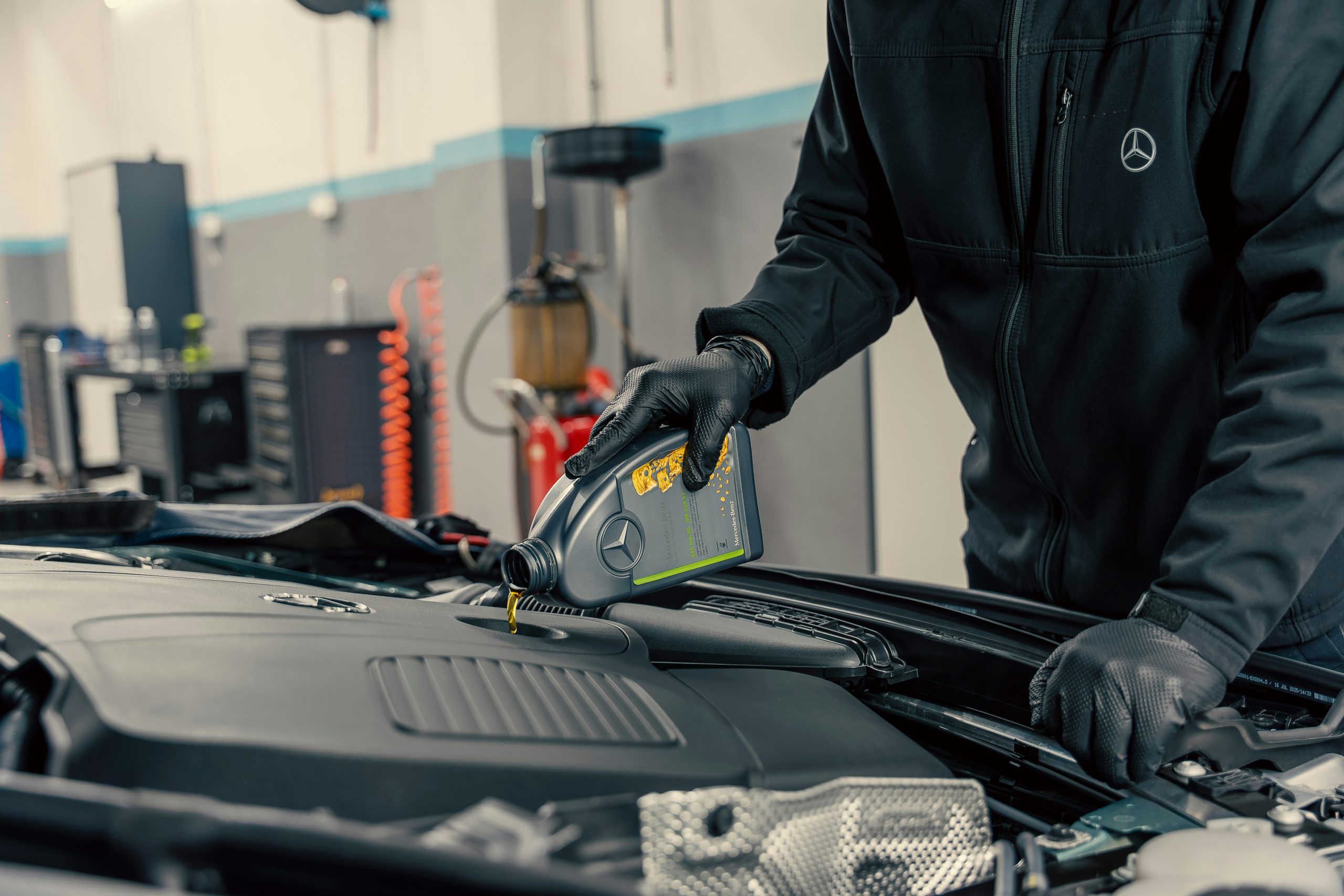
Image credit: Dextar Studio on Unsplash
Why a Written Code of Ethics Matters for Michigan Vehicle Owners
Michigan already holds repair shops to certain baseline standards through the Motor Vehicle Service and Repair Act, a state law dating back to 1974 that requires facilities performing specialty repairs to register with the state. Shops working on brakes, electrical systems, engines, or steering and suspension components must employ mechanics who hold state certification in those categories. This registration system exists precisely because vehicle repair involves real safety risk, and the state wants a documented standard behind the people doing the work.
A voluntary code of ethics builds on top of that legal floor rather than replacing it. State registration confirms a shop meets minimum licensing requirements, but it says nothing about how that shop treats customers during a stressful repair decision. The Automotive Service Association’s standards fill that gap by addressing communication, pricing transparency, and customer respect, which is the layer most car owners actually notice when they’re deciding where to return.
How the Code of Ethics Protects Clinton Township Drivers Day to Day
For a commuter driving I-94 into Detroit every morning, or a Macomb County family managing two vehicles and a full schedule, these ethical commitments translate into concrete protections. A shop following the ASA framework provides written estimates upfront, explains whether a repair is urgent or can wait, and returns replaced parts on request so customers can see what was actually removed. Consumer complaint data compiled by the Consumer Federation of America shows that auto-related issues, including vehicle repairs, have ranked as the nation’s top consumer complaint category for ten years running, which underscores why these protections matter well beyond Clinton Township.
Clear communication also reduces the anxiety that comes with unexpected repairs. A driver dealing with a sudden check engine light or a grinding brake sound is often making a fast decision under financial pressure. Ethical practices like itemized estimates and straightforward diagnostic explanations give that driver enough information to make a confident choice instead of a rushed one.
Common Repairs Where Ethical Standards Make the Biggest Difference
Certain repair categories carry higher stakes for both safety and cost, which makes ethical handling especially important.
- Brake service — Customers deserve a clear explanation of pad wear, rotor condition, and why a repair is or is not urgent.
- Engine diagnostics — A proper diagnostic assessment should identify the actual fault code cause, not just replace parts until a symptom disappears.
- Transmission repair — Given the cost involved, shops should walk customers through rebuild versus replacement options honestly.
- Collision repair — Ethical shops use manufacturer-recommended parts and repair procedures rather than cutting corners that could affect crash safety later.
Routine maintenance carries the same ethical weight, even when the stakes feel lower. Honest guidance during an oil change or a tire inspection builds the same trust as a major repair, which is why we treat routine visits with the same care as complex ones. Each of these categories involves technical complexity that most drivers cannot evaluate on their own, and that gap is why a documented ethical standard matters.
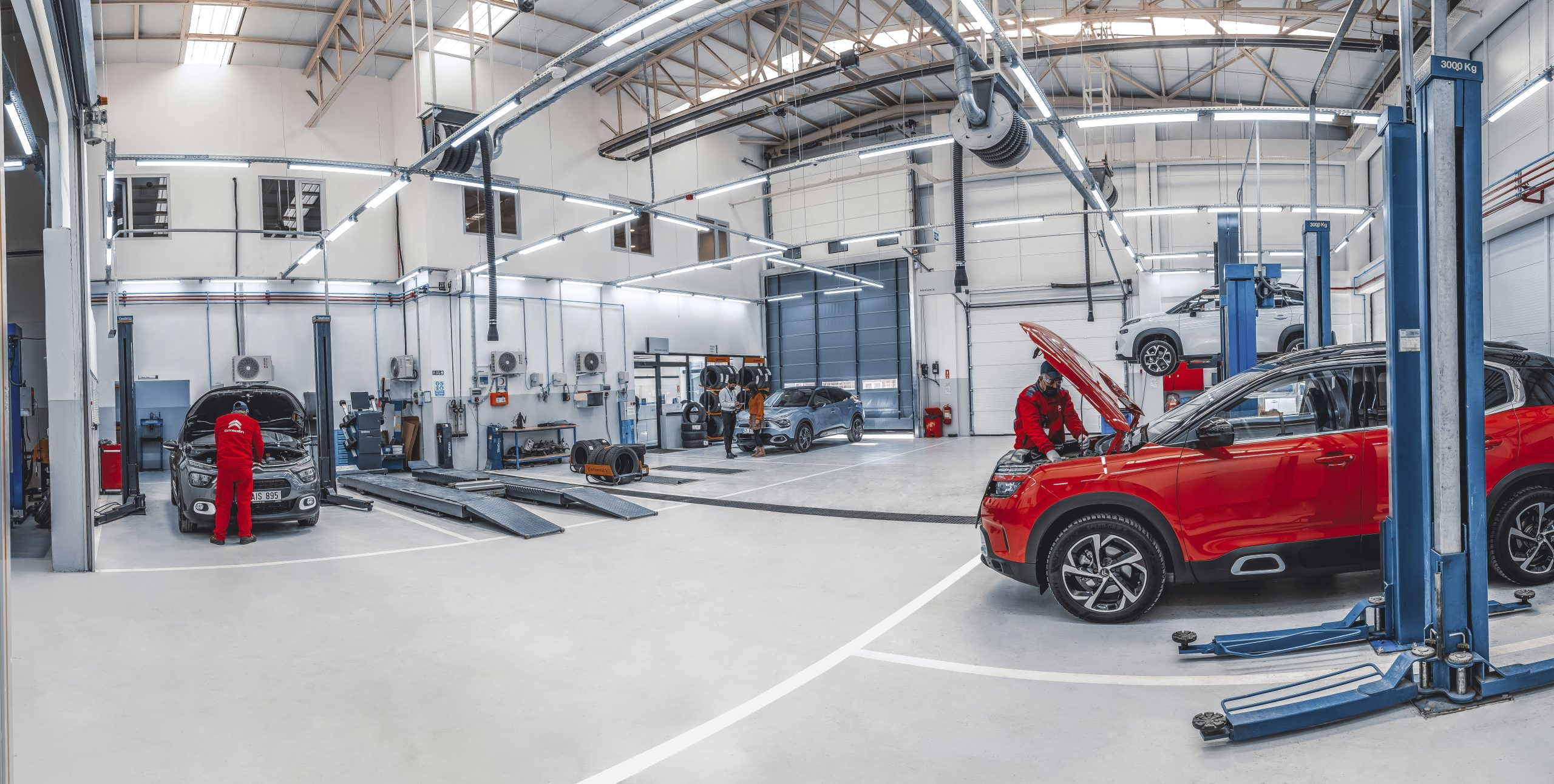
Image credit: Mehmet Talha Onuk on Unsplash
What to Look for When Choosing an Ethical Repair Shop
Vehicle owners in Clinton Township can apply a few practical filters when evaluating a repair facility.
- Ask whether technicians hold ASE certification in the relevant repair category.
- Request a written estimate before authorizing any work.
- Confirm the shop is registered under Michigan’s Motor Vehicle Service and Repair Act for the services performed.
- Notice whether staff explain findings clearly or rely on pressure tactics.
These questions take only a few minutes but reveal a lot about how a shop actually operates.
Get Straightforward, Ethical Auto Repair in Clinton Township
Understanding the standards behind ethical auto repair at Kozak’s should make it easier to choose where you take your vehicle, not harder. We bring that same commitment to every customer across Clinton Township and the surrounding Macomb County area. We provide honest diagnostics, clear estimates, and skilled collision and mechanical repair, because we believe informed customers make better decisions and stay safer on the road.
When you are ready for a repair experience built on transparency rather than guesswork, schedule an appointment with us today.